Lecture
PR agencies – Need budget and can achieve scale with pr agency. The product needs to be good for it to get a good return. The creative idea needs to be clearly communicated. Can be around £2000 a month for the agency to act on a retainer.
PR agencies tend to have an established list of contacts within the press and media. They need to be within the right industry, this will change on each project as to what you need. Can bring expertise in terms of strategy.
They can help you stretch your communications and put them in different directions, they can turn it into interesting and different stories.
Can do this all yourself, but takes a lot of time. Need to write clear press releases, where the info is easy to break down. With a clear headline, short intro, images and a date. Need to get to the point very quickly with clear communications, don’t over design them.
A good PR agency will analyse your business and look for opportunities to create a story around your brand or yourself. It can be issues that relate to work that you are making.

Michael Elster- The Worlds Smallest Portfolio
The World Smallest Portfolio. His idea is very solid and interesting. He wanted to tell people what he was about, that he was a visual communicator. Taking a big idea and translating that into a single image.
Documentation – sent out these to art directors and agencies etc. playful way of getting person to engage with the package using a magnifying credit card. Documented the process of this really well so his has good images to share of this.
Strategy – shrink his portfolio in both size and content. Stuff thats in there needs to be powerful. He contacted journalists about the ideas, with his good documentation it was ready to be published. Strong visual outputs as would be visually driven outputs.
Featured on Behance and very good interaction.

New York Public library – insta novels project
The library adapted books into a reading experience that takes place inside instagram stories. Helps engage a younger generation with public instillations. Bring yourself to them online.
Seamless and natural promotion strategy.
Redundancy Radio – Liv Siddall
Easy to share and easy to consume content. Works as an audio CV. Need to think about communication at the very start of the creative process.
Dr.Me – Fin project
Monthly digital zine of unused or unfinished ides from the design studio. Using archival pieces to keep themselves on peoples radar. Free access to their creative outputs is an interesting offering. Have a limited time to download it which creates a buzz. Limited gives it a cult feel, not very mainstream.
Quick wins
Social media – instagram – it is free to use but takes a lot of time. Is the return you get worth the time? Quality of content is the most important and so is consistency. A lot of the content is community sourced. Interact with other peoples content. Tagging relevant instagram feeds.
Build a network of design journalists. They need to be aware of you to write about you. Find writers you like and contact them.
Website called hunter.io to find email addresses linked to a website.
Write your own press release. Or write your own article in the same style of the website.
Thinking about how you are communication your project while you are working on it that is the most successful. Understand the purpose of the project at the core, then the rest will follow.
Analysis
Getting your product into the media is a great way to ensure it gets a wide reach and your target audience can hear about it. Getting it into the media however, can be difficult and time-consuming. That is where PR companies come in, with already solidified contacts and knowhow they can share your product to the right people in the right way. This can be expensive, so if you are on a budget or a small start up this isn’t always possible and you have to make do on your own. It seems from our lecture that a clear strategy is important when looking for your own PR as well as quality documentation of your product or service.
Micheal Elster’s Worlds Smallest Portfolio is a great example of this. He created a tiny portfolio that showcases himself as a designer. His marketing strategy is at the heart of his idea and he made sure to document it well so even after the portfolios were sent out to studios and journalists, he had quality images to use to promote it.
Alongside PR, social media can also be a very powerful tool if used correctly. It is time consuming, but a great way to reach your desired target audience through relevant hashtags and engaging with their community.
Workshop Challenge
How to market
To market my products I would set up an instagram account sharing good news stories and images of the products out and about. I would create approachable and positive content that is shareable and informative.
My hope is that people would photograph my products and share them, so that would boost my reach, help me to grow an audience and give me a good selection of content to repost.
I would set up a hashtag for people to use when posting their images and create some kind of incentive to attract people to photographing and posting the products. This could be money off or a free product, or free entry to some kind of event that we could host.
I would also show my products as gifts, planting the seed of sharing the positive message of my product by gifting it to others. This not along gives my products an additional reason for purchase but opens them up to a wider audience, and increases the chances that people will photograph and share them, showing their followers they have received a gift. I would also frequently use hashtags to try and reach relevant audiences


I would print some local good news stories on to the packaging to sell in local shops. I think this will increase sales, social media shares and make the story of this product more tempting for press to pick up. I could get local people to submit stories
My website would also be updated frequently with positive news stories in the hope that it would create traffic of its own.
Looking at Rashid Rana’s ‘Minus Glocal’ last week made me think about how creating a shop that purely sells good news would be an interesting idea. All products in the shop could contain a different news story on their packaging, so every element of the shop was something that boosts the customers happiness. While this would be quite an unrealistic business model, it is something that I could create as an exhibition or event to build traction and interest around my products. I could create a pop up happy news supermarket, which is an exhibition but the products are also actually for sale.
What media outlets would I use?
To help promote my products I would want them to be publicised in the media. I think my idea of a happy news supermarket pop up would be a good way to get the attention of the media. I would ensure that everything in the run up to this would be professionally documented, before sending one of my products, packaged up with a press release and press invitation to the event to a selection of media contacts.
Production requirements
The news on my packaging would not be up to date daily news, as the time needed to find, design and print the stories would take too long. What’s more, quickly daily news is something that this product aims to be almost an antidote to. I would therefore pick stories that didn’t age very quickly so they could be printed on items for a few weeks at a time if necessary. To ensure repeat purchase of my products I would need to print multiple news stories on the same kind of product, so if someone finishes a bottle of oat milk and wants to buy a new one a few days later, they can select a different news story bottle this time.
I looked at some of the products I had around the house to understand the packaging they came in. I took some measurement of the average size of certain food packaging so I could work out how much space I would have to house my designs. I would need to ensure my new stories were readable, so the font I use can’t be too small.


Prototype
After creating one digital prototype last week, I tried out my idea on multiple different food and drink packaging to see how it worked. I created digital mockups of these designs as I felt it was much easier to visualise the products that way.
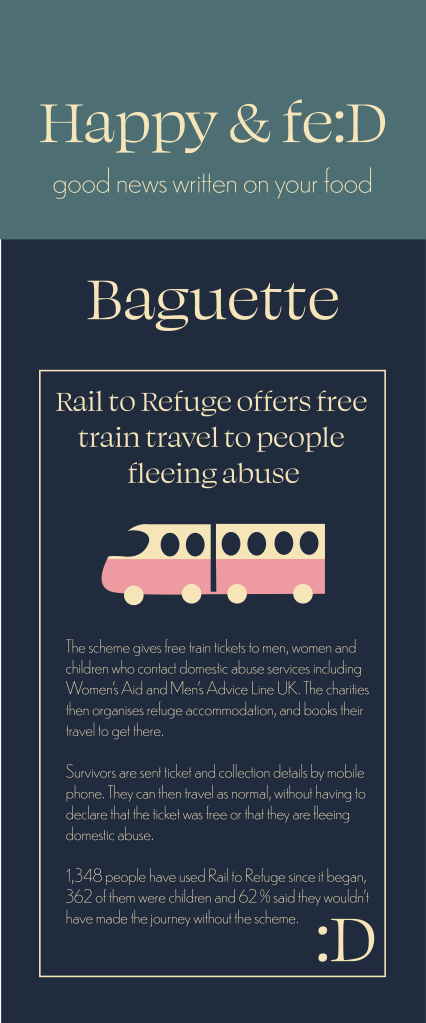
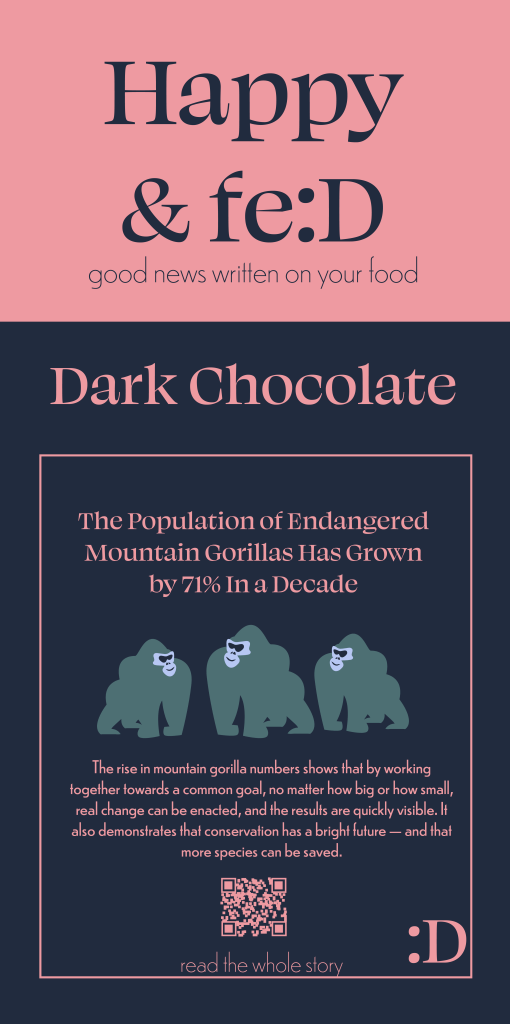
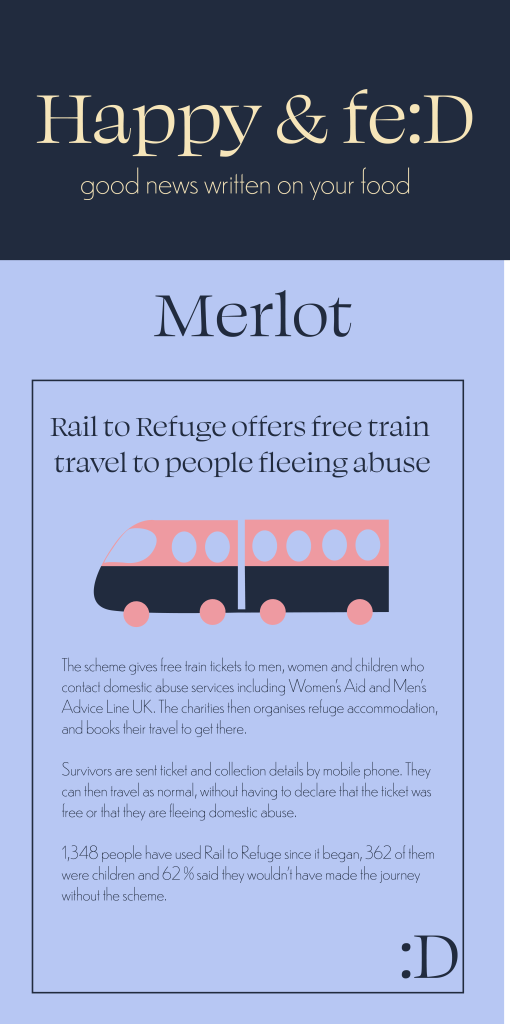
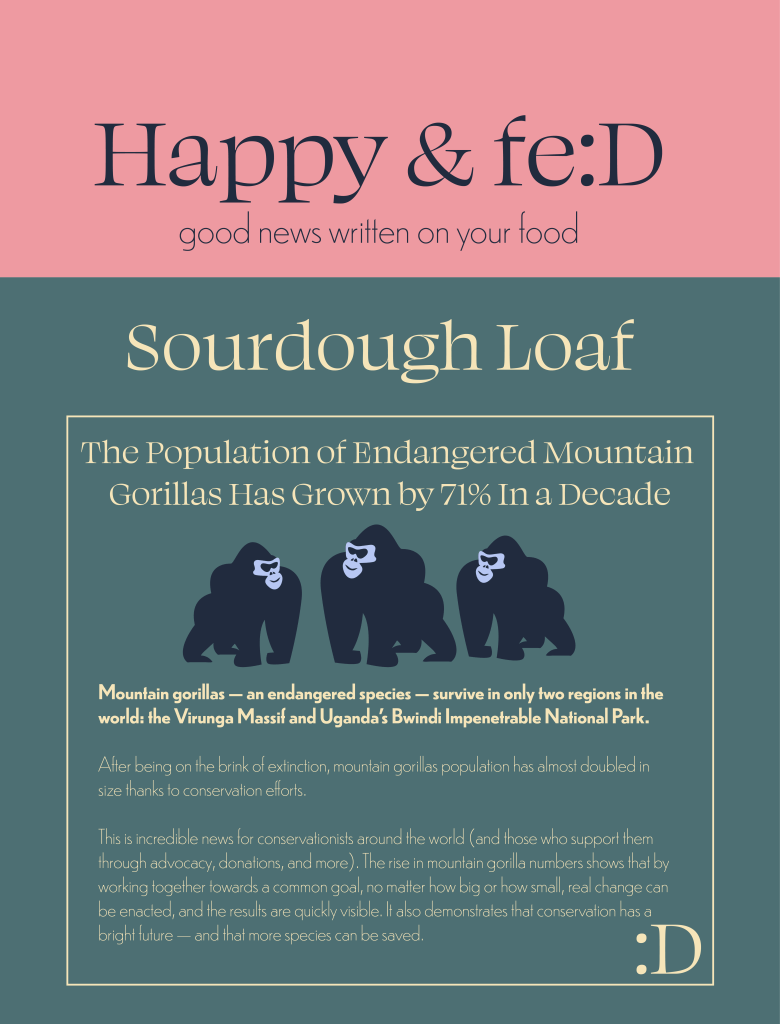
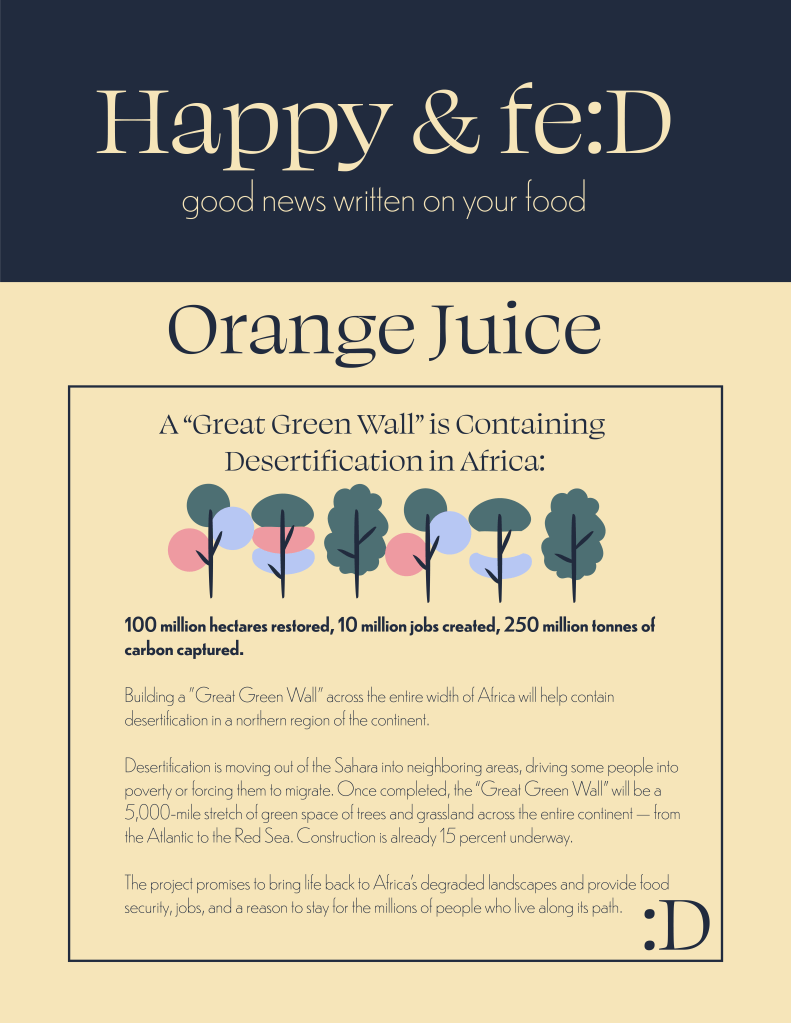
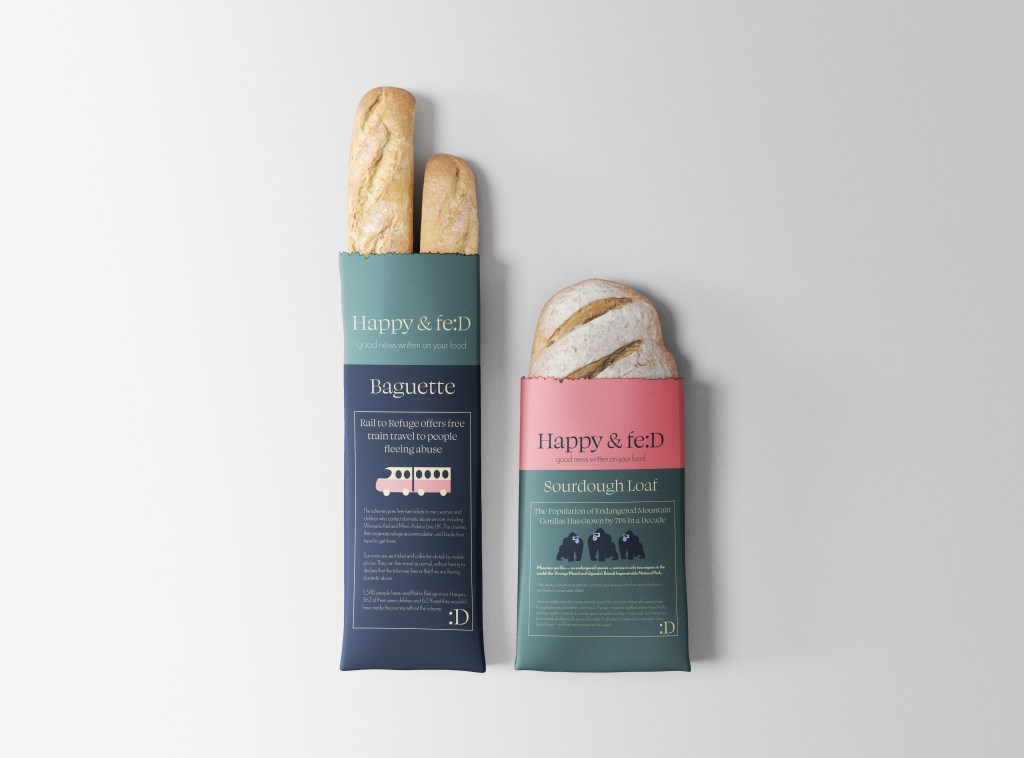
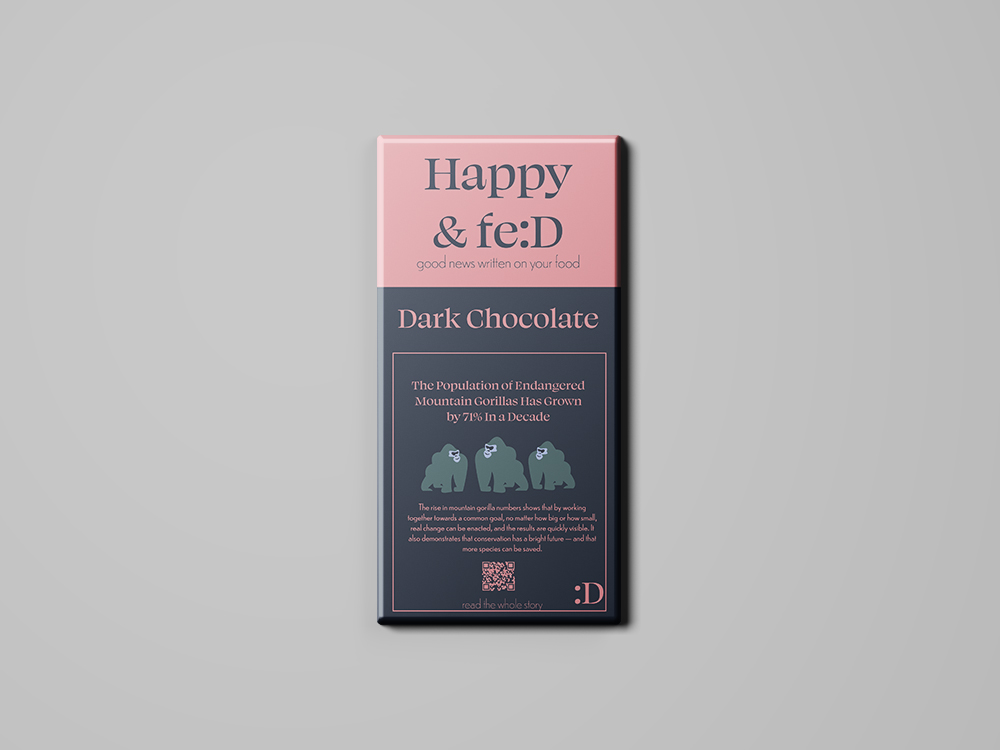
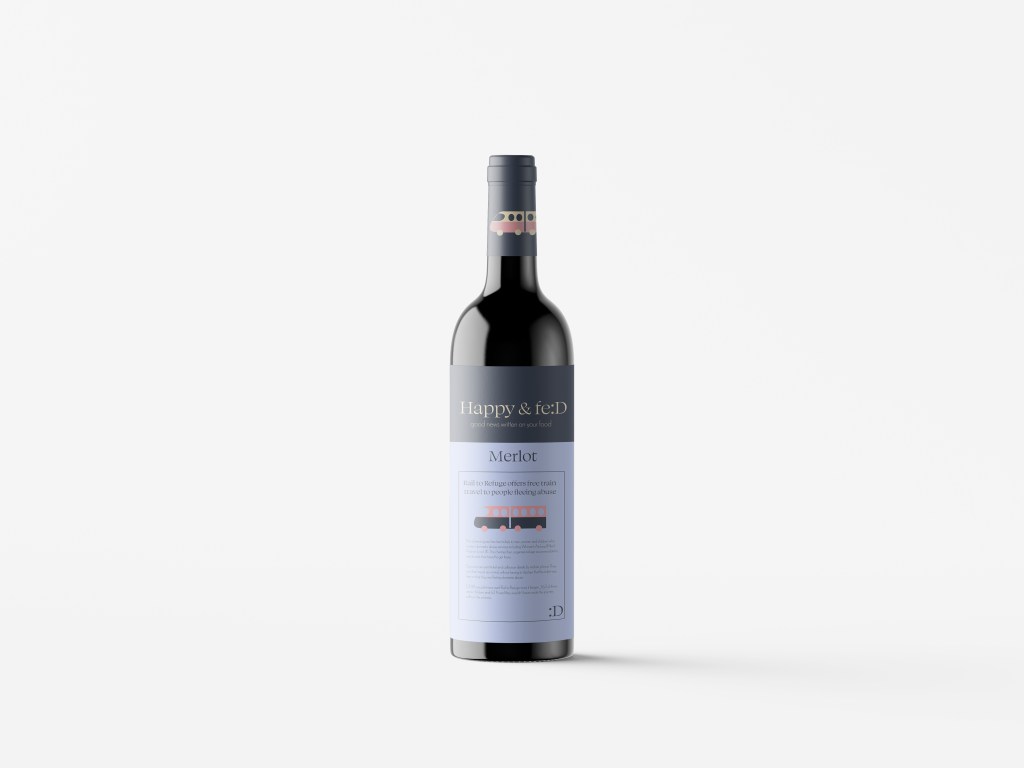
To test out the readability of my products I decided to print out some examples and try them on existing food packaging to see how much text I can print on the label before it becomes hard to read.
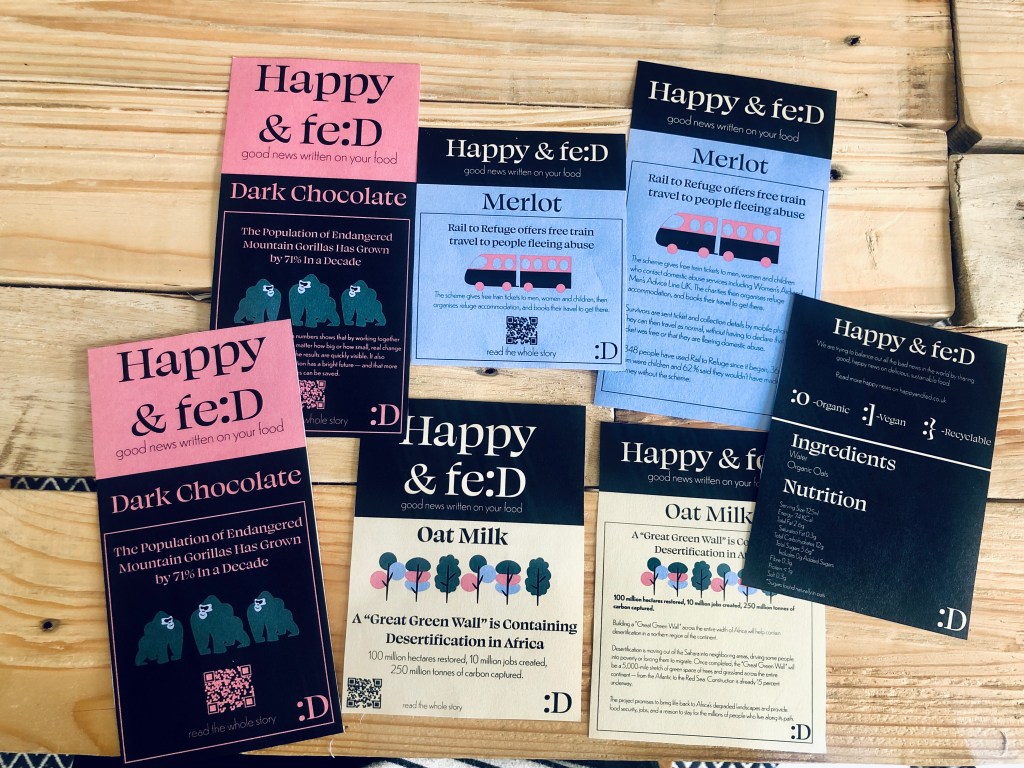
I create a few different versions and then printed them to size and cut them out. Right away it became apparent that on some products the text would be too small if I used the whole story. However, on others such as the wine bottle, the shape of the label meant I could get away with more writing.
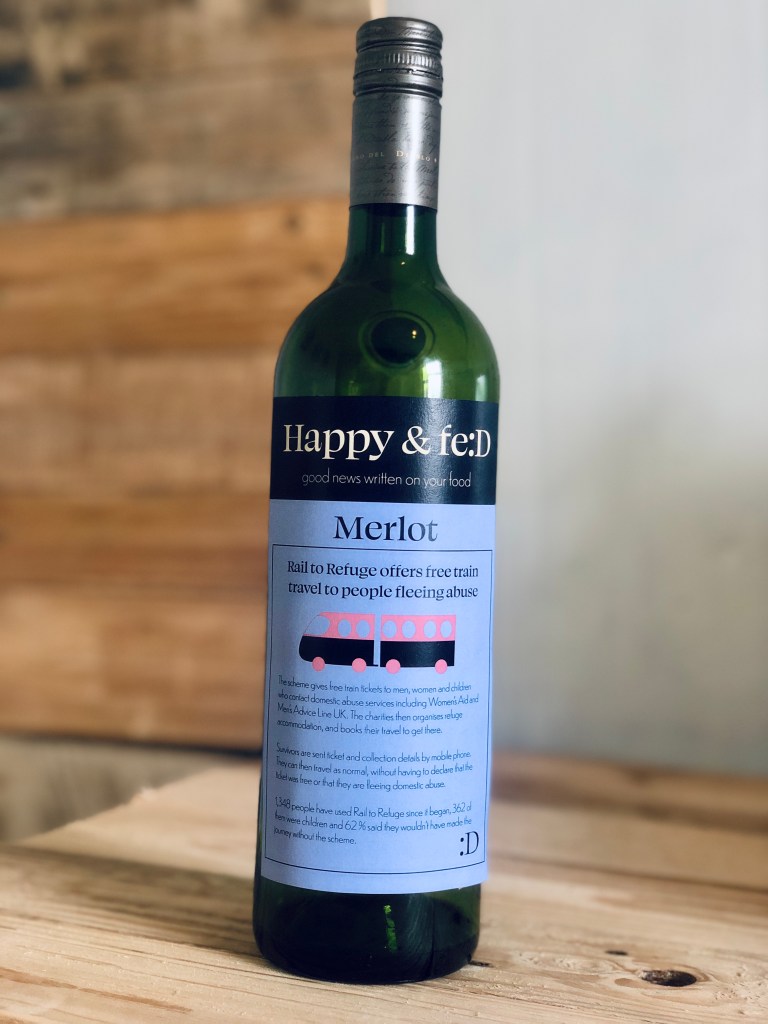
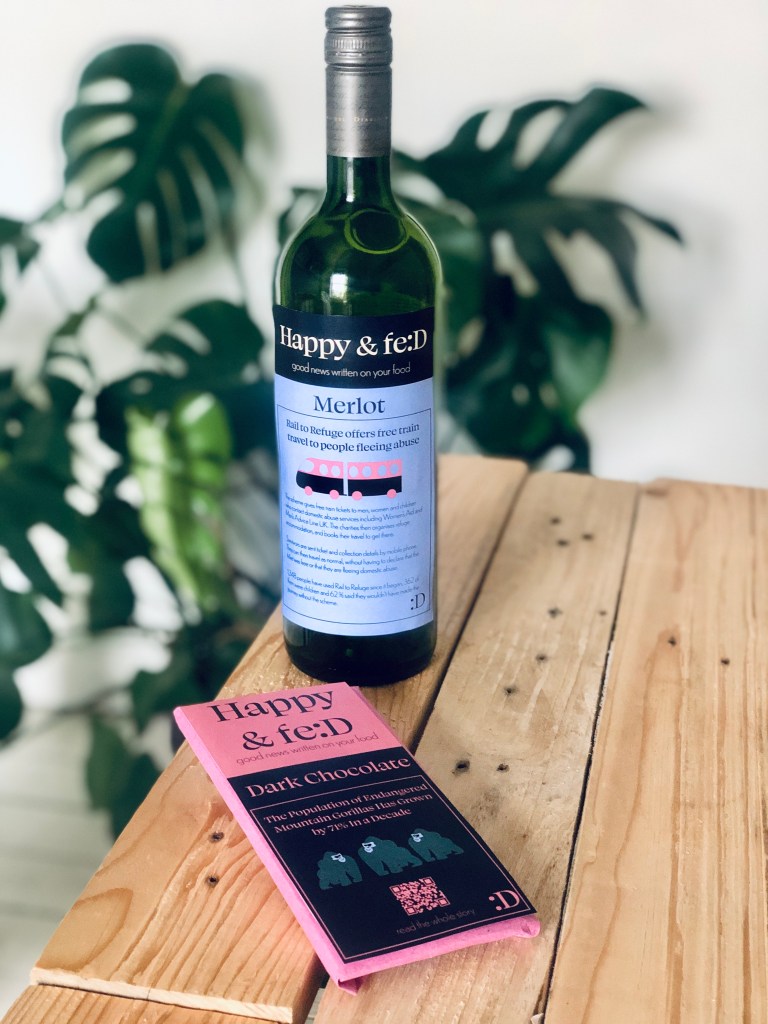
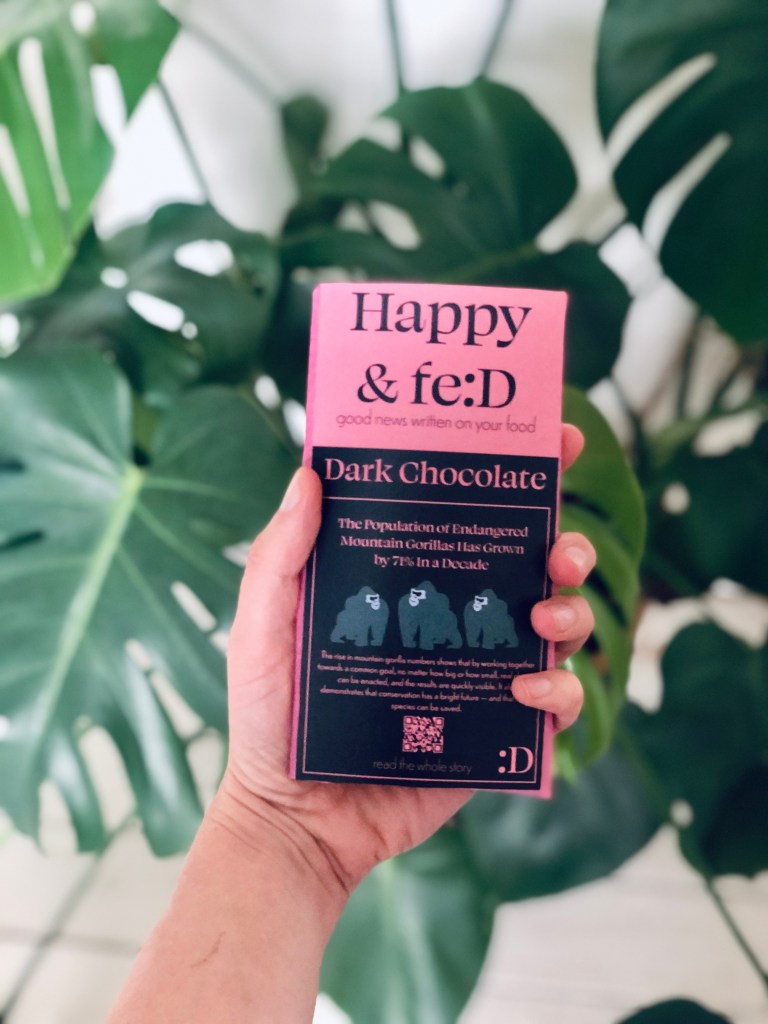
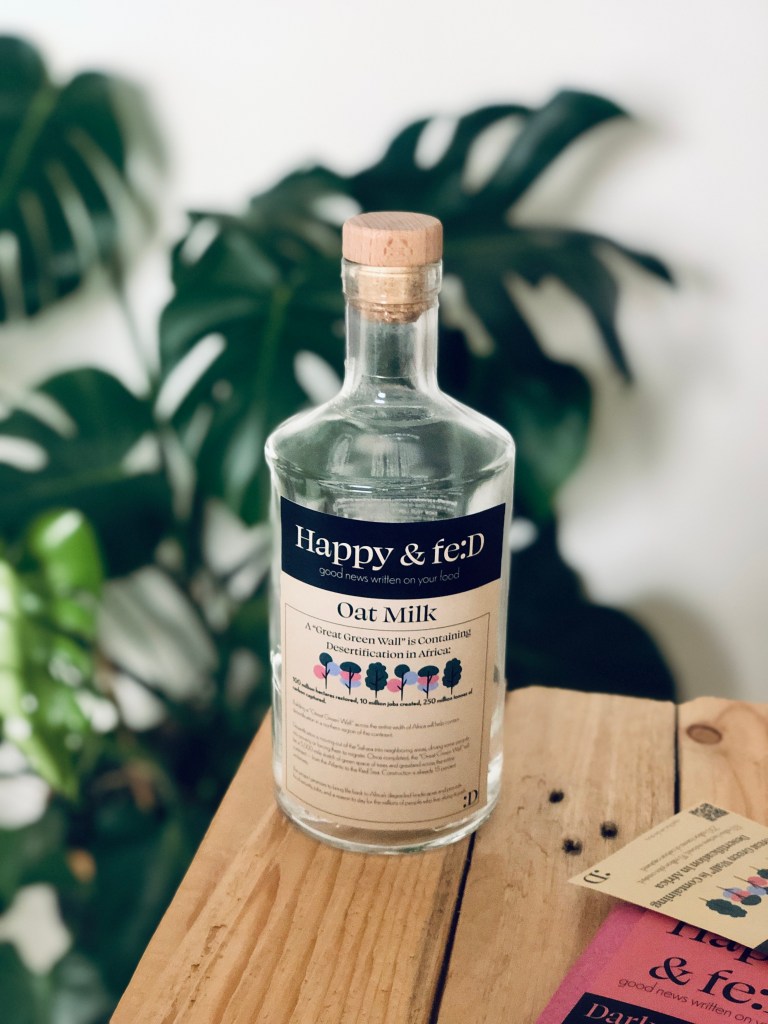
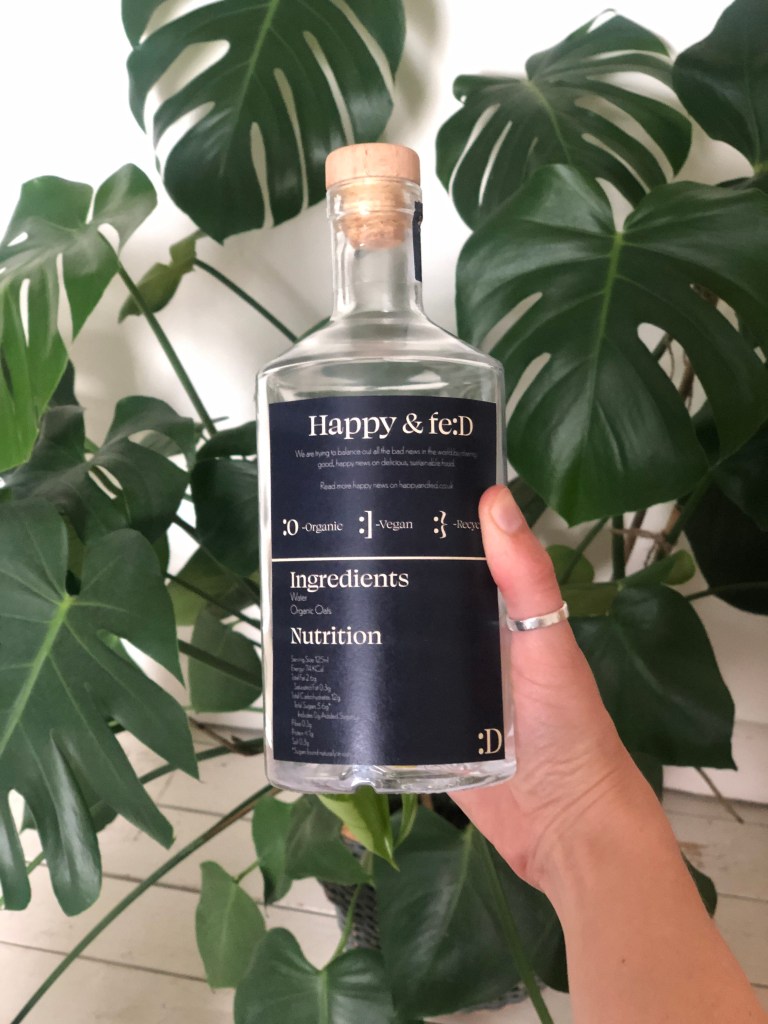
Here is a prototype wine and chocolate bar (both empty because wine and chocolate are both too tempting). I also couldn’t find a glass milk bottle under the time constraints so used a gin bottle to get an idea of how it would look.
From my basic tests I decided that when I wouldn’t be able to fit the entire new story onto the packaging, I would only include a headline, a very short summary and way to allow the consumer to read the entire article. This could be in there form of a qr code linking to my website. Or similar to the Tony’s Chocolonely packaging here, the news story could continue inside the packaging.

I also need to try out some other fonts for the body copy as it may be that I could find one that is more readable at a small scale than this one.
Production partners
To source the news articles I would either need to create this in collaboration with a journalist or I would need to create a partnership with an already establish happy news outlet.
I would need to source packaging such as cardboard packets for chocolate and bottles for milk. I would then use a packaging printer to create my packaging. Most of the packaging I need would be labels so would be easy to source from a printer. My designs would be printed on recycled paper and using non-toxic adhesive. Many printers offer eco friendly printing options, such as Crown Labels https://www.crownlabels.co.uk/sustainable-labels who print with water soluble adhesive to allow for easier recycling of the bottles after use.
I would like to try out a range of labels and packaging to find the most eco-friendly and sustainable way to create my packaging.
Ideally I would like to support a plastic alternative like Solublue, which is a Cambridge based company who had developed a seaweed based plastic alternative that actually prolongs the life of the food store within it (The Engineer 2021). This would be an expensive way to create packaging but also create a strong message and a marketing hook.
Branding
I think it is important that my brand has a solid story behind it that all communications can hang off. I also want its purpose to be clear as well as the ethos and values of the brand as I think that helps to build trust with the consumer.
Our Story
We are bombarded by the news. We carry it around in our pockets, check it frequently and become alerted almost instantly to events happening thousands of miles away. In many ways this is brilliant, but at times it can also be damaging to our wellbeing. Terrible things happen around the world on a daily basis and at times it can feel hard to see the good in the world. Whats more, the media often sensationalise stories to make them sound worse or more shocking than they really are.
What we are lacking is a bit of balance.
Some good news, mixed in with the bad. Because there is good in the world. Everyday millions of people do brilliant, inspiring and amazing things. They make positive steps towards helping the planet, they make the lives of others infinitely better and they prove that there actually is still a whole load of good in the world.
Happy&fe:D are on a mission to bring a little bit of joy into the everyday, by sharing happy news stories somewhere where you’d least expect to find them – on your food.
Our team of journalists search out the good, the lovely and the happy to bring you a small reminder of the good things happening in the world while you are pouring milk onto your cereal or making yourself a sandwich.
Our dream is to bring a smile and a tiny bit of joy to everyday activities. We want to help you crack a smile in the middle of the supermarket, feel inspired while you make your morning coffee or give you a boost while you pour yourself a drink after a long day.
Animation
I created a simple animation to show this ethos. I am just starting out with this so the video has a long way to go, but I feel its simple movements have a sort of charm that fits quite nicely with my story and branding.
Marketing
I also created some example social media posts to show how my brand voice would permeate through my marketing.


Next steps
To progress this project further I would need to find some happy news stories, ideally sourced by local people, and then test out getting them printed onto actual packaging. I would need to speak to packaging providers to find the best sustainable packaging solutions for each product. My design still needs a bit of work to ensure it is as readable as possible, and the design would stand out well on a shelf. It would be good to get some consumer feedback on a few designs before I chose which ones to use.
Once I had some designs set and printed onto packaging I could start organising my happy supermarket event/ exhibition to raise the awareness of my idea and build interest around it. I would start with just the exhibition before trying to make this product into an actual business, as the exhibition itself would work to see what consumer feedback was like on the products and test out whether they have a market.
I would clearly and beautifully document the products and the exhibition itself so I could utilise press coverage and social media to its full potential and reach audiences that would be unable to attend the exhibition in person.
Reference list
HOUSE, Manchester International Festival Blackfriars. 2021. “Rashid Rana on the Difference between Art and Eart.” Manchester International Festival [online]. Available at: https://mif.co.uk/news/rashid-rana-on-the-difference-between-art-and-eart/ [accessed 16 Aug 2021].
THE ENGINEER. 2021. “SoluBlue Wins Postcode Lotteries Green Challenge.” The Engineer [online]. Available at: https://www.theengineer.co.uk/solublue-wins-postcode-lotteries-green-challenge/ [accessed 18 Aug 2021].


Leave a Reply