Lecture notes:
How have self initiated projects helped shape your studio identity?
- Christoph Miller : Work out what you are interested in and they work as a business card for others to show this and show what you can create. Then people may contact you for work directly.
- Veronica: Many of their commercial clients have come from seeing one if their self initiated projects . Help them to break boundaries, be creative and keep growing. It has much more freedom. Its your essence, its just you. You don’t have to take into account the company or commercial issues.
- Vince Frost: form of expression.
- Bompass and Parr: self initiated put them on the map. Can be far more profitable, as the client isn’t making the money you are. You’ve got control and you get the glory. It helps you find your voice. Always put your name on it. If you have your name on enough things they will pay you to put your name on it.
- Werkflow: Work he did on own fed into what they were making in the studio.
What are the main differences between self initiated work and collaborative, client led projects?
- Christoph Miller: Is not clear at the start what you will get from a self-inited project. It is a bit of a risk. But you get to learn about things you really care about. There is no timescale. Develop skills that will help you in professional life in future . With a client you are providing a service. self initated you are the author, great but a lot of pressure. They reflect your personality, needs and desires.
- Veronica: no pressure from client, no deadline. You can inject the energy and knowledge from side projects into client work. Pleasure is bigger if people want to buy stuff you’ve made for you. Necessary for creativity to go further. Commercial work is normally to limiting.
- Vince Frost: with a client you have a clear brief budget timeline which keeps you on track. Self initiated has no plan or deadline
- Bompass: no one is asking you to finish it. Good to work with others to push you to finish it. Needs the same processes as client work to get it done. Needs to be creative make you money or famous.
Lecture Reflection
The benefits of self-initiated projects are wide ranging. They can make your business more profitable, they can expand your skill set, push your artistic boundaries or simply allow you to focus some time on something just for you. I think Veronica’s point that ‘Pleasure is bigger if people want to buy stuff you’ve made for you.’ Is really interesting and true. When you’ve made something personal and other people like it, its a really special feeling of connection and pride. I also like Christoph idea that self-initiated projects are like your business card, showing clients what you do and drawing them in to want to work with you.
Reading Reflection
The way back
This is a fantastic example of how when you feel personally connected to an issue you can create a really powerful design solution to it. It is also a good example of how focusing on one small part of a big problem, can allow you to create something really meaningful.
Finalise my Design
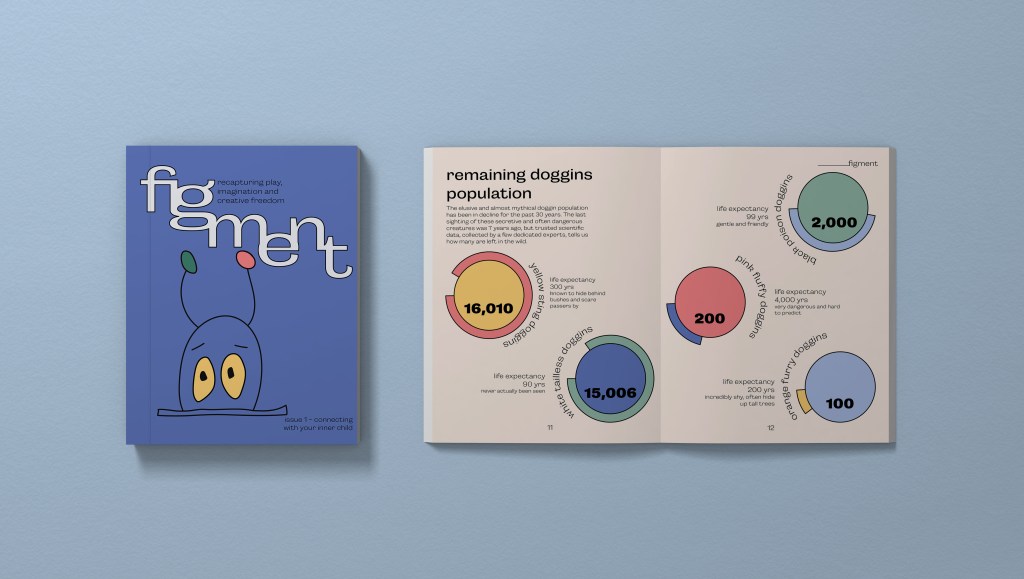
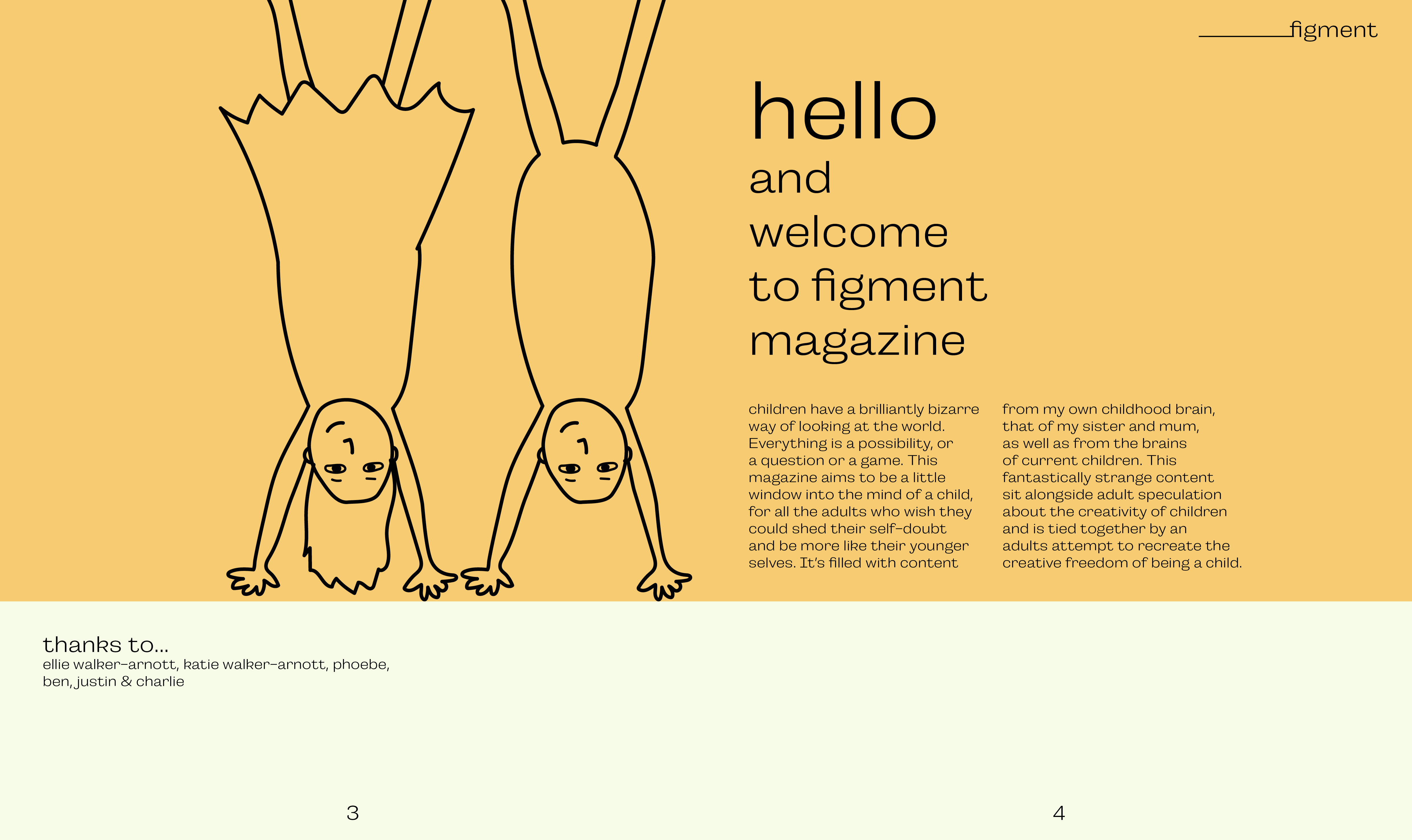
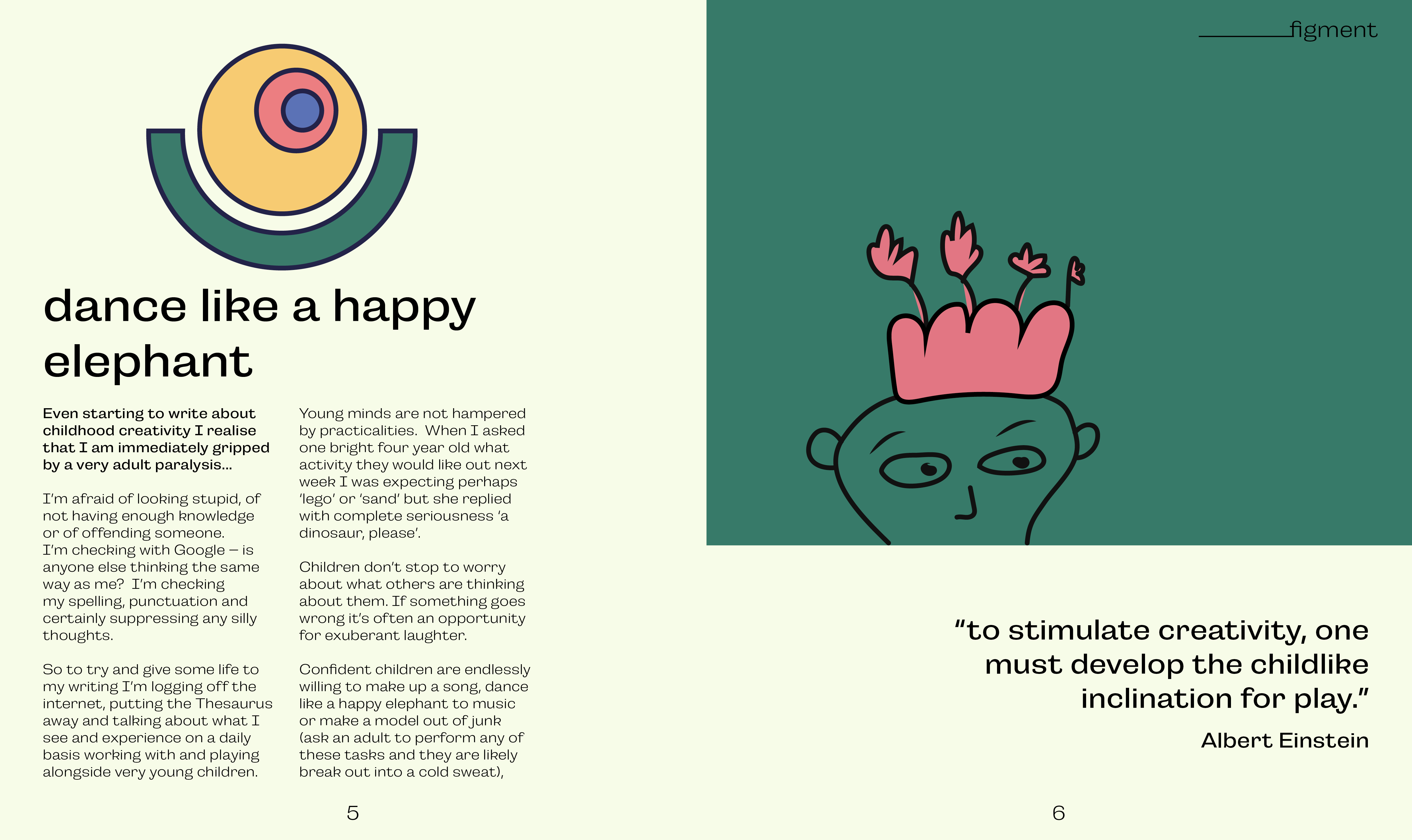
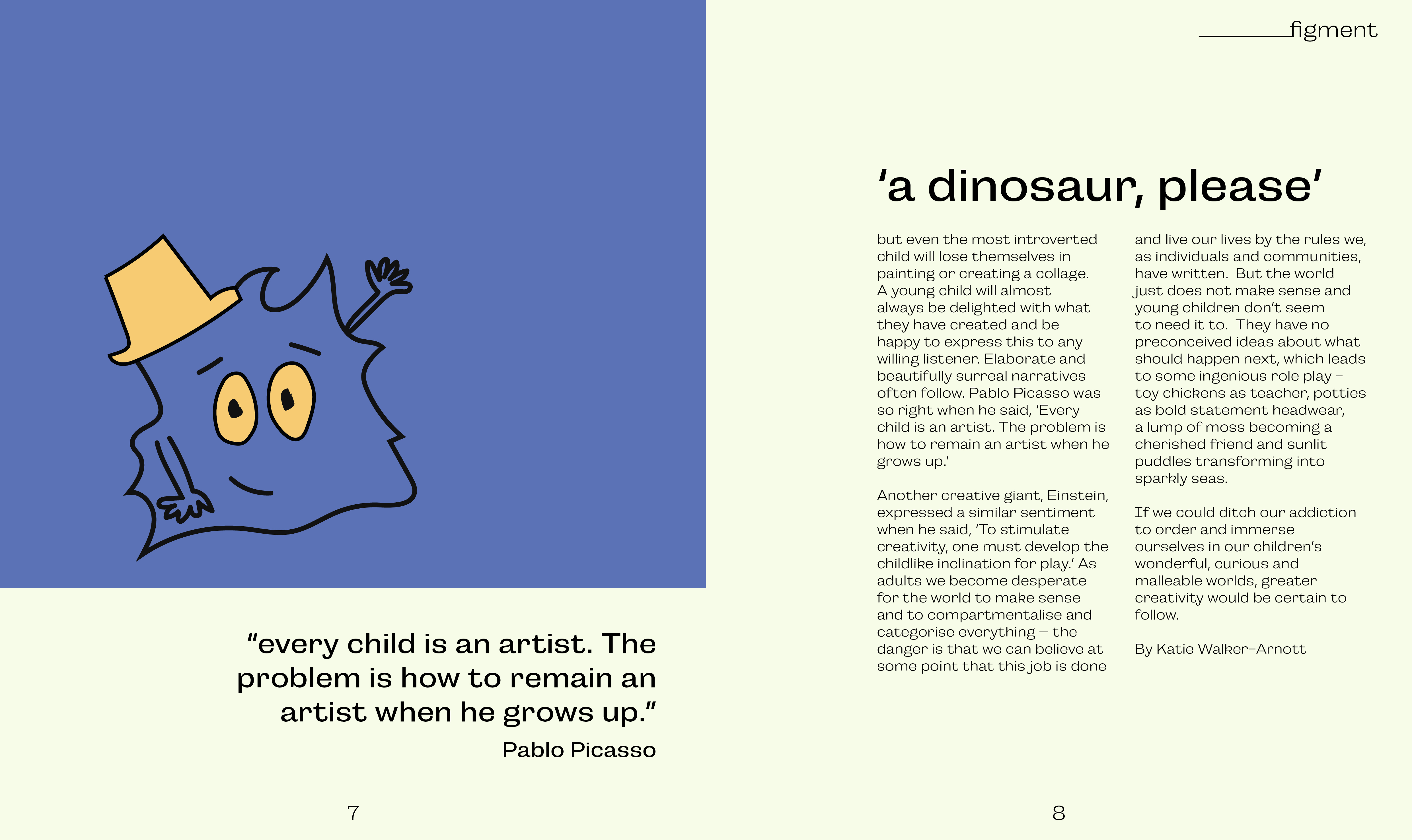
After speaking to various printers and getting feedback from others I decided that my cover needed some more work. I adapted it to make it more in keeping with the rest of the magazine. I still plan however to create some small cut throughs in the cover and a couple more within the magazine itself. This is something I won’t be able to properly illustrate until the magazine is printed.

With this new cover however, the magazine still looks to be finished even without the cut throughs. I added a draft to the ideas wall to gain some more feedback.


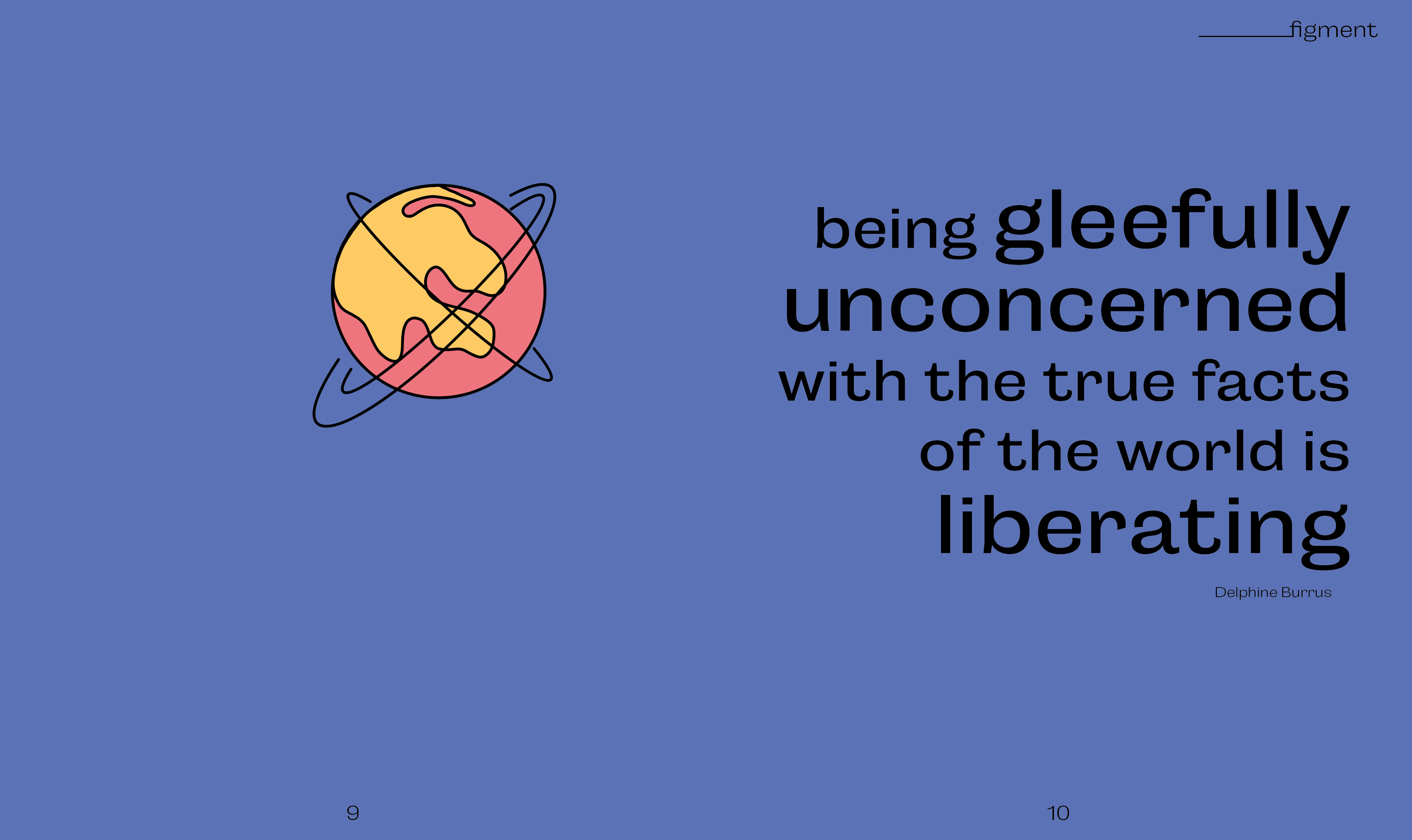
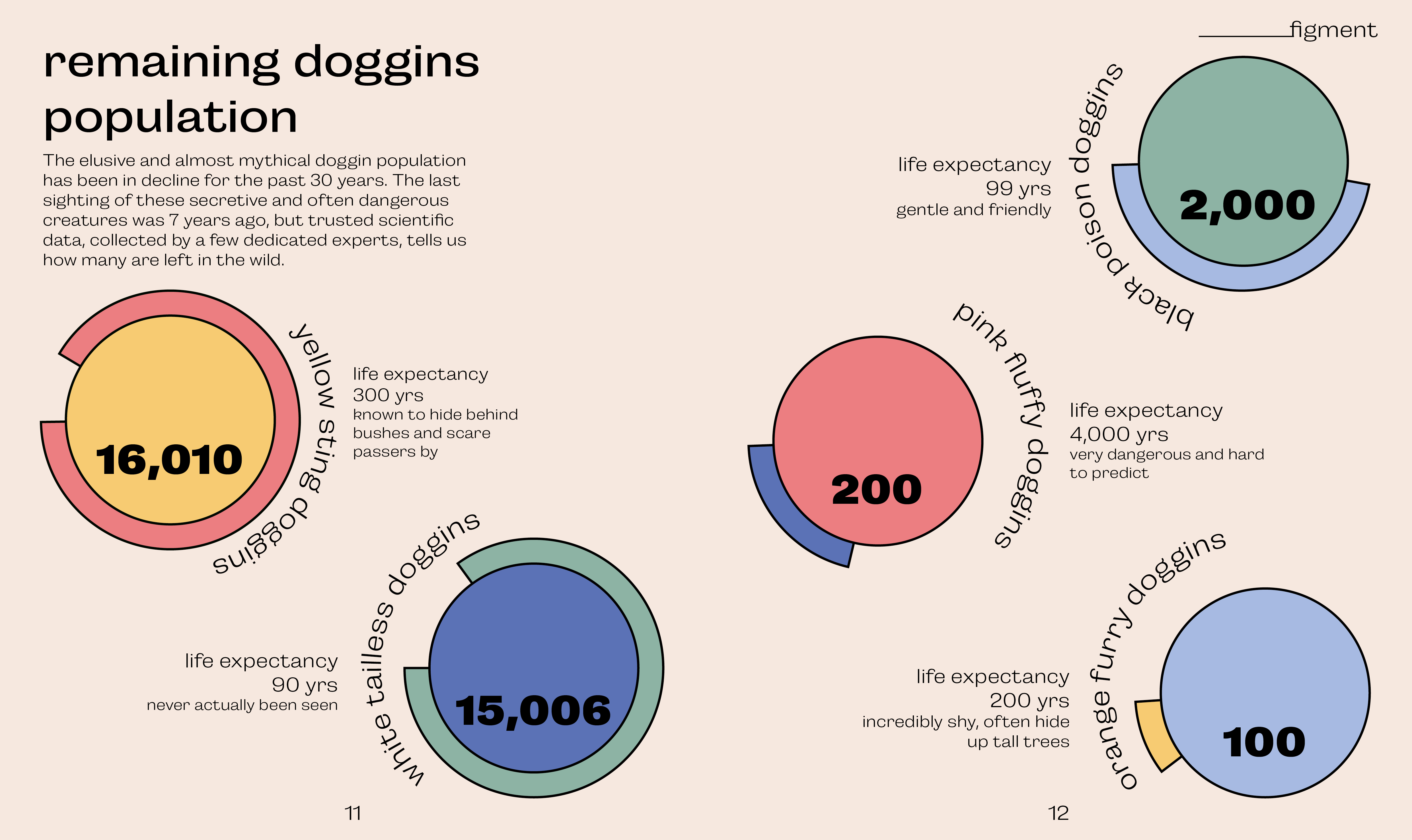
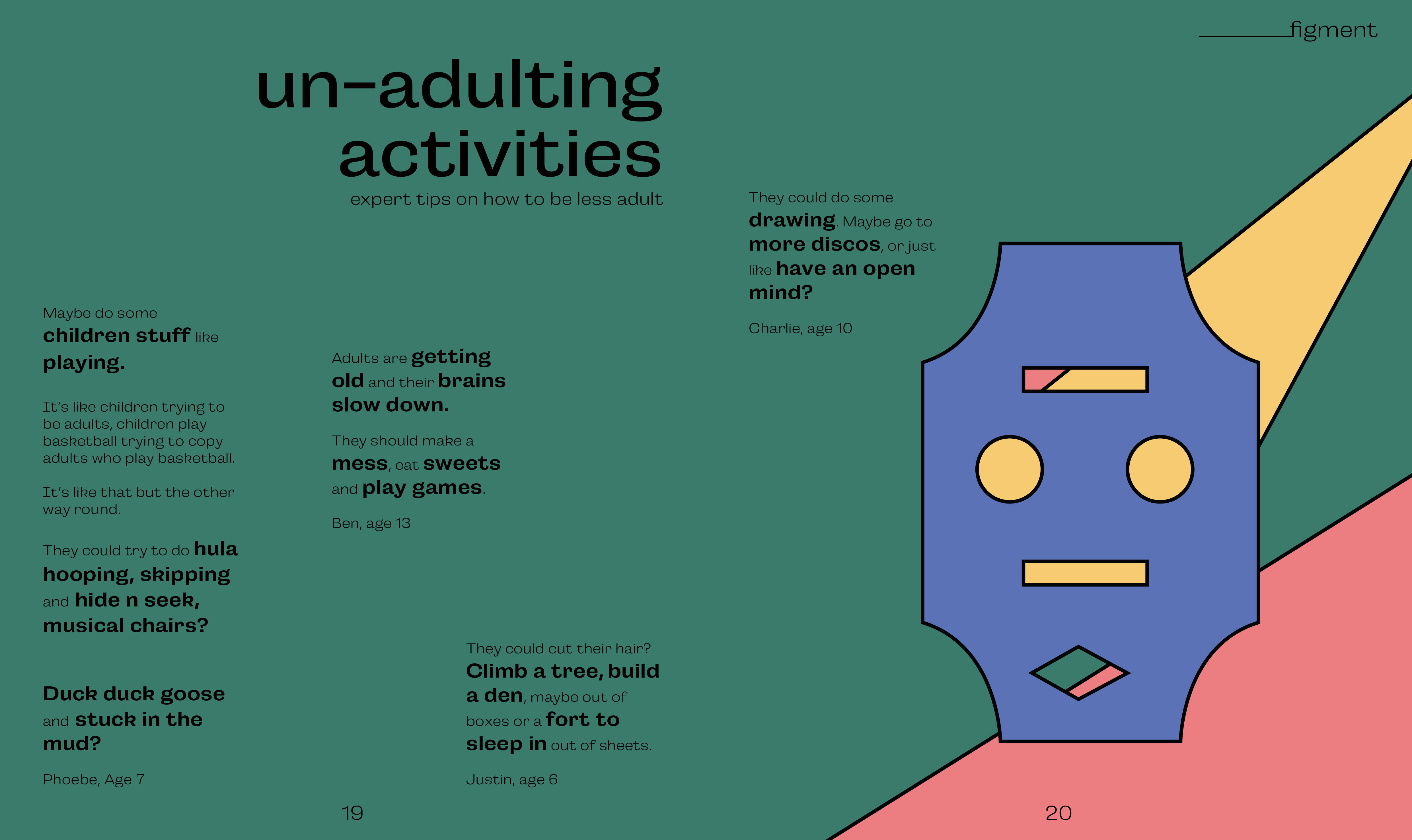
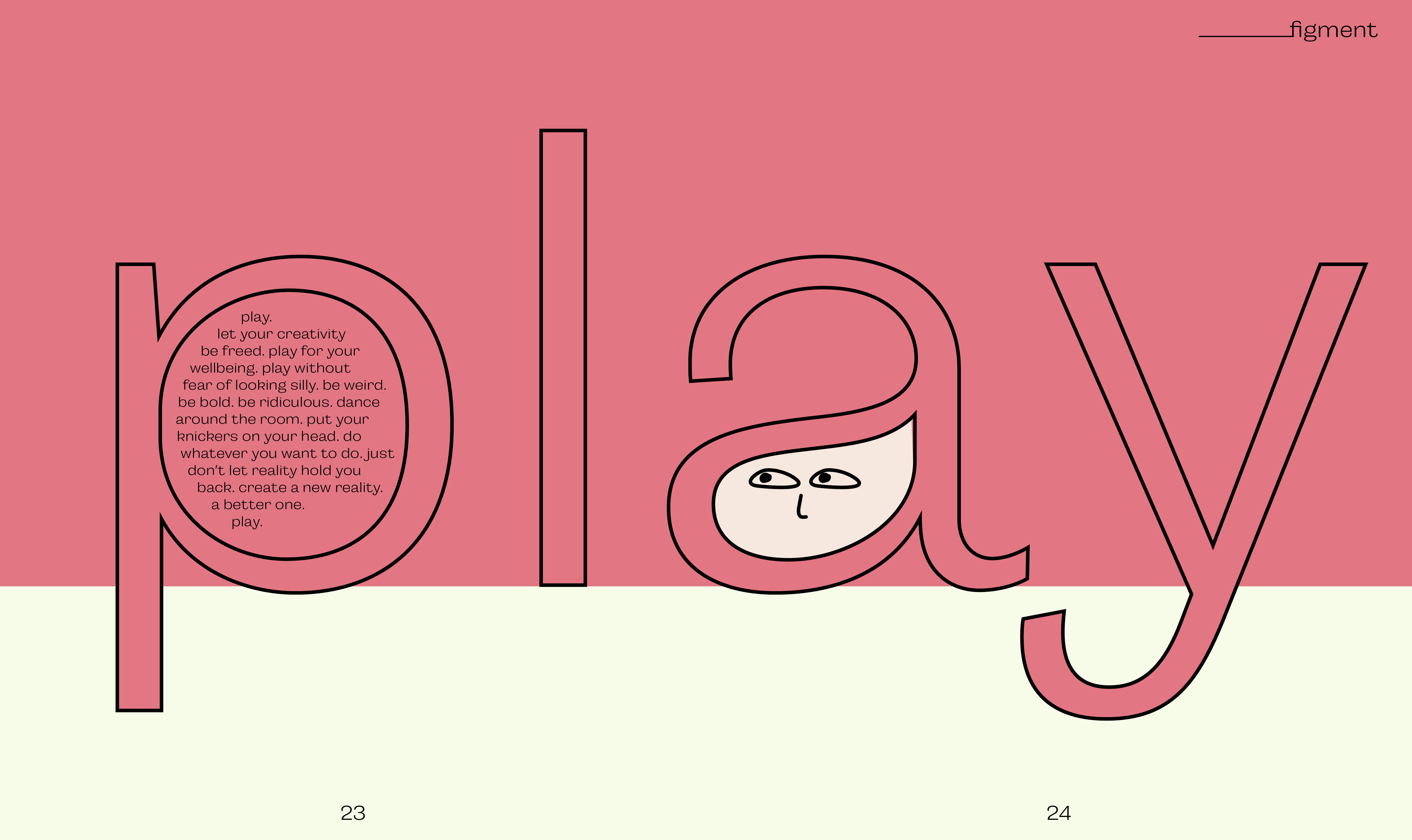
I also added some more colour throughout the pages that felt a bit quiet such as the back cover. After Harriets feedback, I added some simple page furniture to ground the pages and make them look a bit more finished. I also took Stuarts advice and tried to make my infographic page a bit more interesting, getting the text to interact with the circles.

I feel as if I could keep changing, adding and adapting this design for much longer so have forced myself to leave it for the sake of getting this project done on time.




Analysis
I decided to look at browns 8 questions as mentioned by Ben in the webinar.
Who are your intended readers?
Designers, illustrators, writers
What did you do? I created a magazine inspired by the ones I made as a child, to try and help adult creatives to shed their self doubt and reconnect with their younger selves.
Why did you do it?
I struggle with self-doubt about the quality of my ideas and designs which often holds me back and reduces my enjoyment of creating. Finding my old magazines showed this wasn’t always the way so I wanted to reconnect with my freer younger self.
What happened?
I found that reconnecting with your inner child meant not worrying too much about reality, how things look and what others think. It meant be comfortable with failure and letting yourself play.
What do the results mean in theory?
These ideas needed to be communicated to adults to remind them of how they used to be.
What do the results mean in practice?
I created a magazine to inspire readers, using childlike colours illustrations and content to inspire them to reconnect with their younger selves.
What is the key benefit for your readers?
A fun exploration into play and childlike creativity that should inspire them to to worry less and create more freely.
What remains unresolved?
There is still so much more to explore on this subject, I need to speak to more children and get them to play an important role in the creation of this magazine. I also want to speak to more adults to work out what problems they have being creative and coming up with ideas so I can ensure my content helps them.
Notes about what has worked and what hasn’t
I think that in the end, the project I decided to pursue was too broad. What I thought was a small topic expanded out to be quite big. I would have wanted to focus it down again but didn’t have the time during this project.
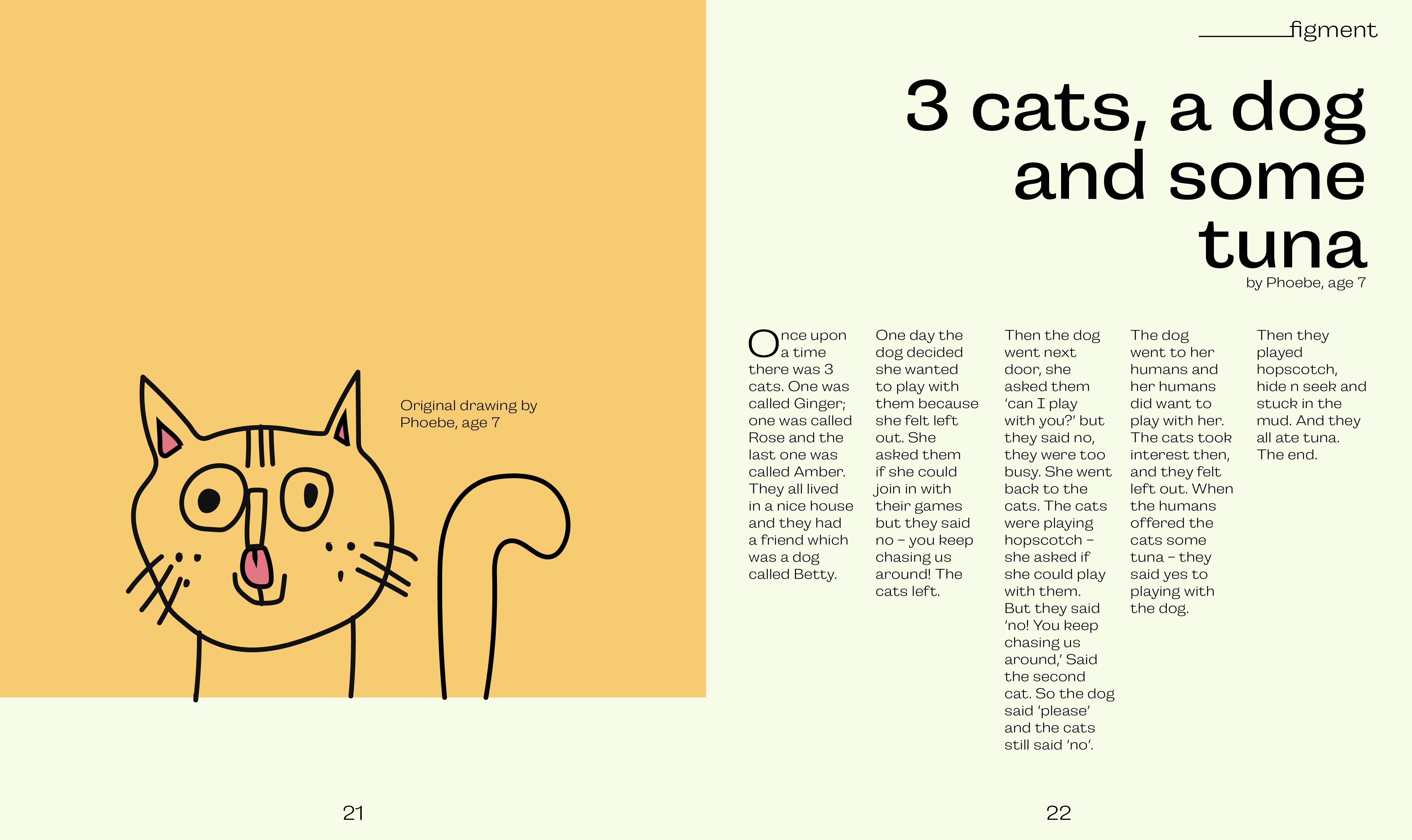
However I am happy with the outcome, i think visually it captures the fun and playfulness of children, while bringing a grown up graphic styling to it that wouldn’t be possible in children’s handmade magazines. I think the relationship between those two styles creates an interesting dynamic.
My ambitions for this project would be to create a series of magazines based on using childlike creativity to inspire adults creativity. Each issue of the magazine would focus on a different specific area in depth, and explore it from a variety of angles. I think that a deeper more focused look into a variety of sections would create some more meaningful content.
However, I do think that my magazine as is has managed to fulfill my brief and answer my research question. I think it will inspire adults to play, be bolder in their work and try to reconnect with their childlike selves. I think the colour scheme and simple childish illustrations work well, and I have received positive feedback from these parts.
I have only created a few pages of this magazine, but there is so much more content I could have investigated and created. This magazine could easily have been a lot longer if I had longer to work on it.
I enjoyed working on a project that was linked to something so personal to me, the magazines I made as a child. It was also great to uncover and explore the magazines my mum made as well. I bought her back into the project to write copy for the magazine to make the project feel even more personal to me and also to her.
Despite this personal connection I think the outcome can be enjoyed by many people, mostly people interested in creativity. I’m sure many people can even resonate with having created things in their childhood, be that a magazine or a drawing, sculpture, imaginary business etc.
I think I could have pushed this project further to create a more interesting outcome.
A big part of this idea was the tactile nature of the design but this has been hard to realise in the time. And therefore hard to get the feedback I would like from it
Ethics
As my projects involved speaking to and using content from children, I had to consider the ethics of my project and ensure I had proper consent from parents. I made sure to explain to parents what I was doing and how their Childs name and content would be used. I also offered them the opportunity of providing content anonymously. I have only used the first name and age of the children I spoke to, so I didn’t need to collect any other personal data.
Evaluation of each stage
Concept – I took a bit too long to decide on which project to take forwards, this was because I was doubting my ideas. I also think that in hindsight my research question was too broad. Once I realised this I would have liked to tighten it and reframe it, however, due to the amount of time I had this didn’t feel as if it was possible.
Research – I needed some more time here as well as I would have liked to speak more to kids as I came up with the idea and design direction of my magazine. I also would have liked to spend more time researching things outside of the area of magazines and books.
Development – During this phases I played around with different methods and approaches as my design developed. I think this worked really well to ensure my magazine was fun and energetic. I also took the advice the magazine is giving and created freely without worrying what the outcome would look like.
Deliver – I would have liked to look much more into production. I think the look and feel of the printed magazine is a very important part as it is inspired by a physical magazine. However, I wasn’t able to investigate this as much as I would have liked
Overall
Overall I am happy with what I created and feel as if it answers the brief I set myself well. I think it will inspire and bring joy to readers, while helping them to connect with their younger selves and create more freely. However, I think that the project I set myself was much too large for the four week timescale, there was so much else I could have done, a lot more research that was needed and potential that the project has.
Feedback
Meg, 30, Illustrator
“LOVE the colour scheme. Has a nostalgic 80s/90s feel but with a modern twist. Instantly plunges you into a playfulness reminiscent of that time.
Maybe there could be more of the colours included on the front cover, even if just the outlines of ‘figment’ or the small text, to match the fun vibe of the magazine.
Really like the arrangement of the title of the magazine
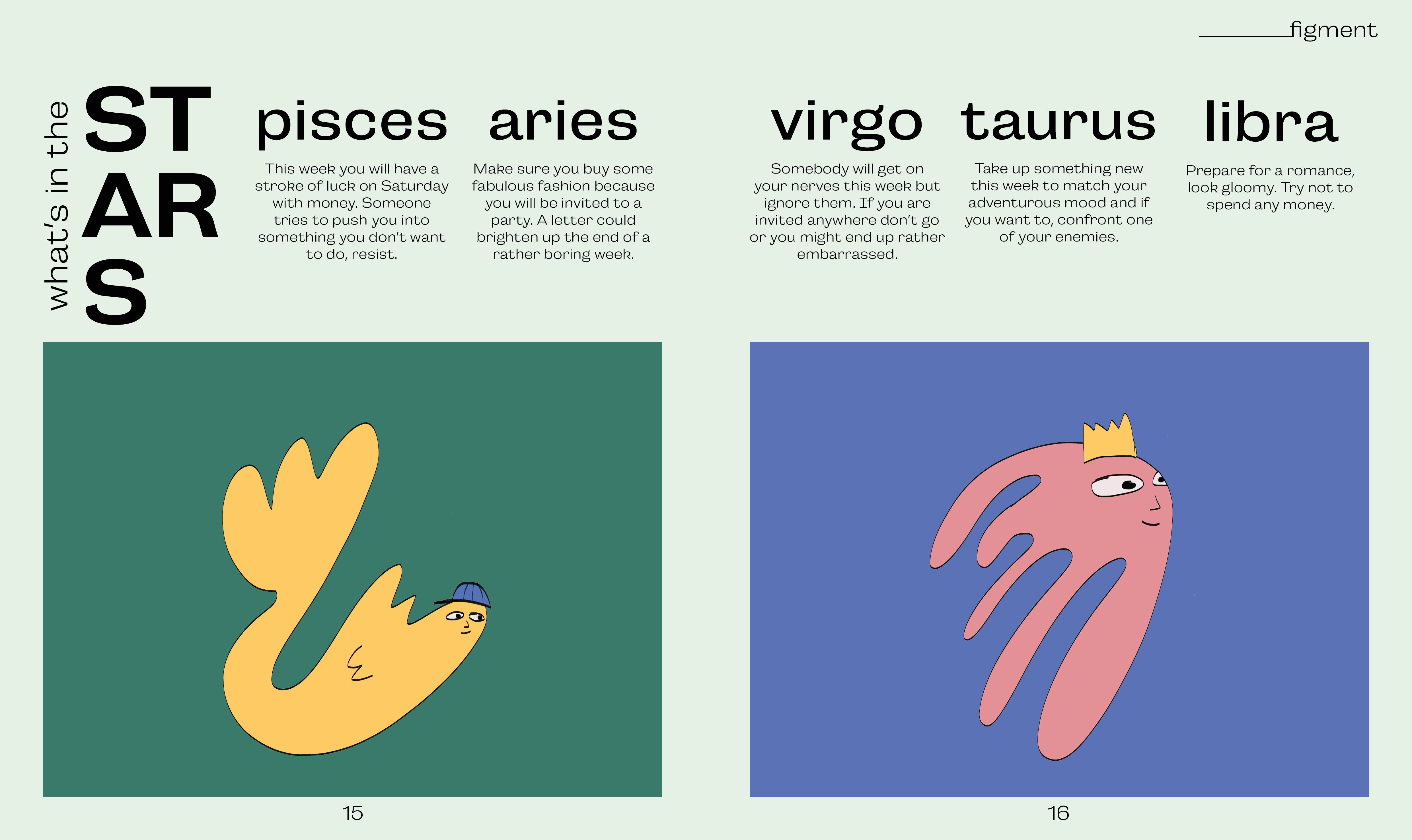
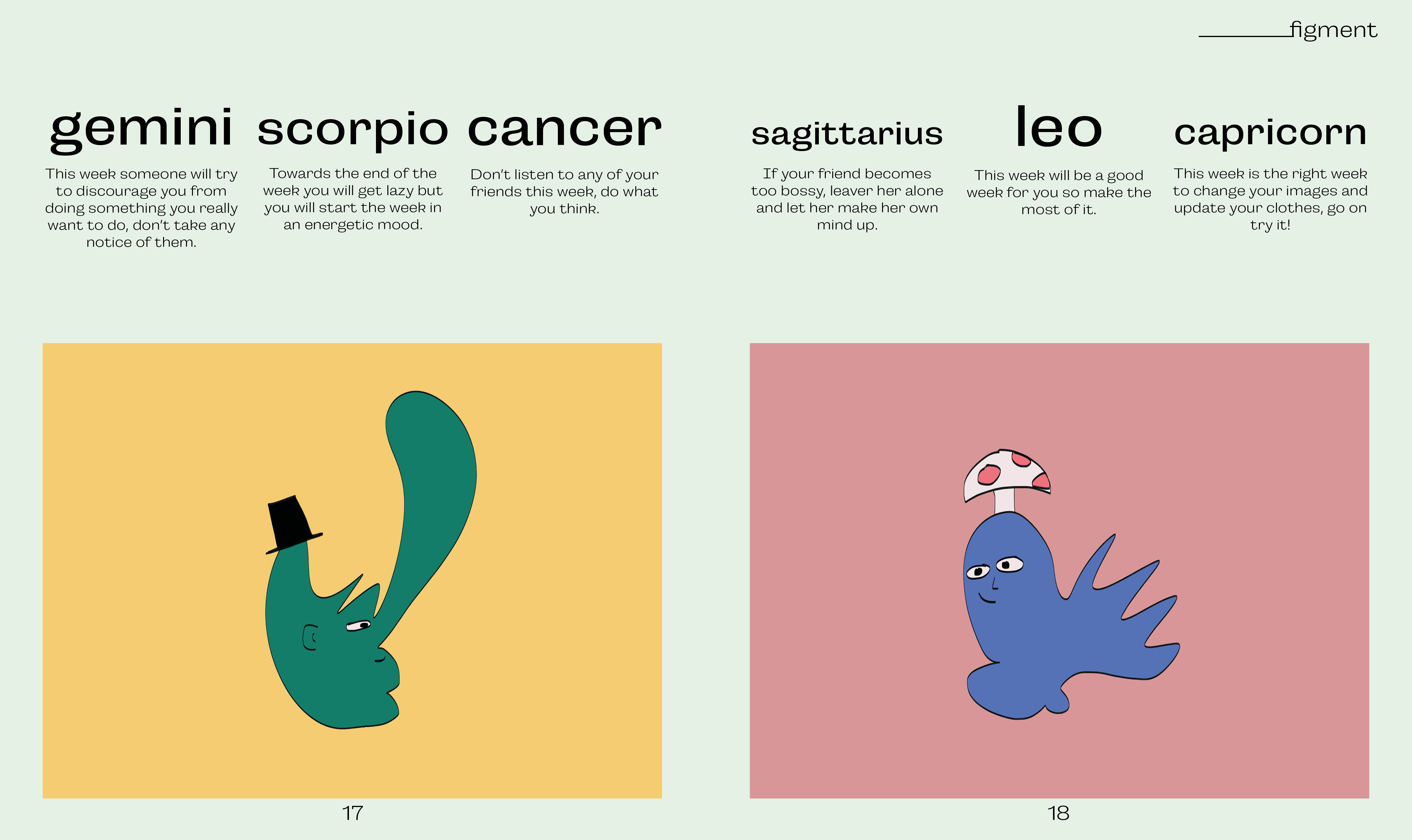
Illustrations are very cool, whimsical and surreal, bringing you in to that state of play. Especially like the star sign pages.
It was very fun to read.”
Sarah, 28, Artist
“I love the whole concept of it, I love the quotes I love the drawings. Really fun. I think the whole concept is so true. The only illustration I don’t love is the front page one.”
Phoebe, 7
“Its a double thumbs up”
Tehilla, 4
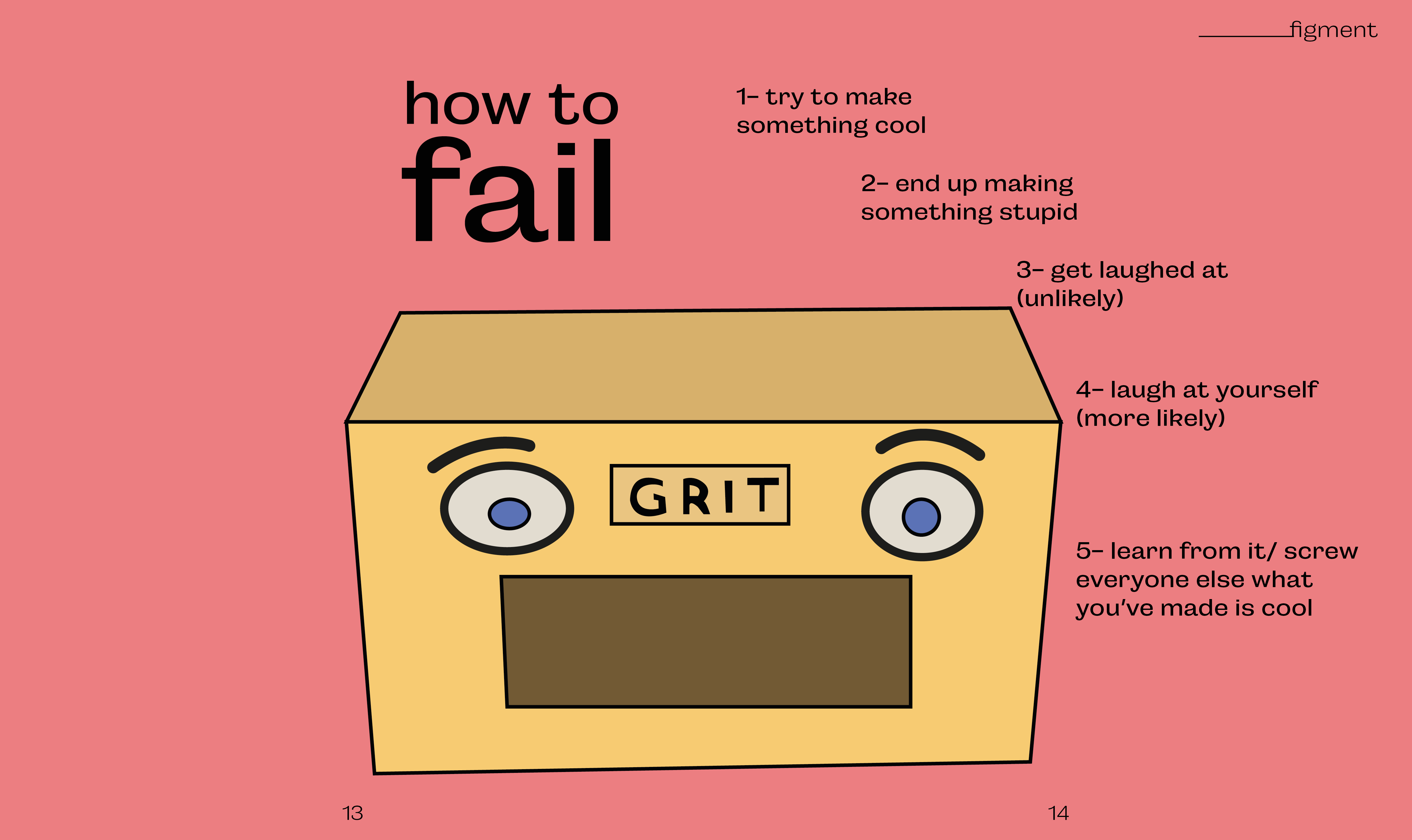
She likes the pink pages. The crown is her favourite bit, she kept coming back to that again and again. She liked the ‘birdy with the umbrella’, doesn’t like the ‘oven’ and thinks ‘its not our world because its a different colour’


Leave a Reply